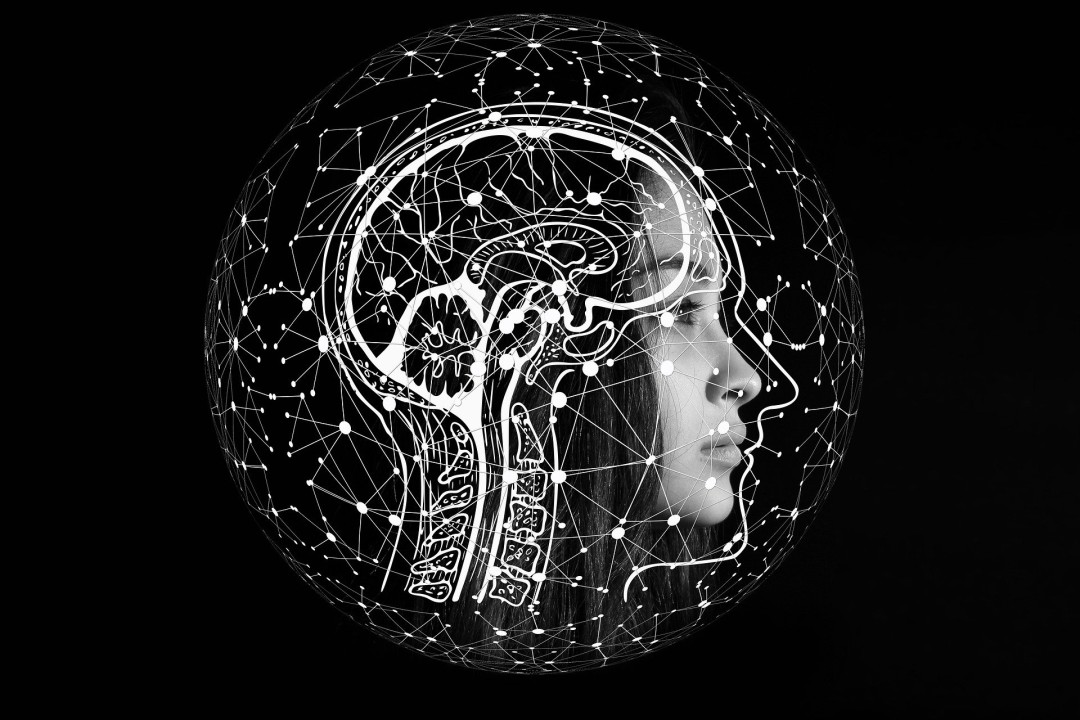
What makes us, human beings, so special? What distinguishes us from other animals? Our complex, intelligent brain, right? But what if I say we are forgetting how to use our brain?
But wait, how are we supposed to use our brains? We have to think, logically analyse, question and so on. But be honest with yourself: when was the last time you followed the above principles when Googling something or searching on Quora?
Well, it’s not wrong, I agree, but we are not supposed to put everything on the internet or get everything from the internet, right? We have got a brain to think, to analyse and come to a conclusion or come up with a solution to any problem. We don’t need the internet for everything.
We shouldn’t be using our brain only to get familiar with searching, scrolling, liking, sharing and typing. In fact, we are humiliating the power of our own brain!
Do we think realistically when we search or surf something on the internet? Do we try to get the motive and factual information behind a social media trend before reacting to it? Do we question and cross-check a piece of information we read or use from the internet? Do we think about the credibility of the source of any information before endorsing it in our own way?
You may find these questions too many, especially when we have stopped questioning, but wait — these are the questions we need to answer right now.
When the Volume Becomes the Evidence
We are all on multiple social media platforms. I’m not saying it’s wrong, but how we are using them looks concerning.
We tend to share everything that’s trending and, by doing so, we keep the trend afloat — genuine or not, good or bad, true or not. It’s reaching thousands and thousands of people every minute, but none of us is ready to take a minute to think about it, to question its genuineness, to fact-check, to understand the reality or to find the logic behind it.
But we are generous enough to share it everywhere we can.
If someone we follow on social media posts something, we react to it as if we are obliged to believe and endorse their view. This basically takes away our right to have our own point of view.
Moreover, we are most often attracted by the volume of the posts on an issue and not the issue itself. Whatever trends online is a big issue for us, but unfortunately, real issues often remain offline.
We have to understand that most often these trends are driven by either bots or a group initially, before the “volume” influences people to react.
From being independent thinkers once, we are voluntarily following someone else like human robots, waiting for them to post or say something. That’s why I told you in the beginning that we are forgetting how to use our brains.
The Loop of Search, Scrolling and Belief
If we blindly search and refer to something online without questioning and thinking, the search engine will rank those pages higher irrespective of the content being correct or not.
If we go on surfing posts on social media with our brains turned off, we tend to believe everything that we see.
Remember, the algorithms of these online platforms are such that you will be fed with what you eat. If you surf nonsense, that’s what you are going to get in the future.
It’s a loop, as simple as that.
The Illusory Truth Effect
Have you heard about something called the illusory truth effect? Simply put, it’s our tendency to believe false information to be correct after repeated exposure.
That’s what is happening with us right now.
What you see online and what I see online isn’t the same anymore. It’s customised to suit what we believe is true and what we like to see.
We are exposed to only one dimension of everything that we believe is true, thanks to our online profile that maintains all the information about our tastes, preferences and beliefs we show online.
The most concerning thing is, however, if you start browsing stuff from one point of view, ideology or perception, you will continue to get only that dimension of everything unless you decide to break the pattern by yourself. And that’s easier said than done.
You will not be shown the other possible dimensions or other points of view.
In short, you will see only one dimension of everything, which is not supposed to happen. We should have different points of view about everything we see and interact with.
Everyone will have their own perception and it’s important to respect each of them. If our online activities restrict our perception, we are in big trouble because, after all, we are social animals and we live with people having their own perceptions.
Start Questioning Again
What I am trying to convey is very simple. We need to be sensible, self-aware of our acts online and should develop the curiosity which gives rise to the habit of questioning, thinking and reasoning.
It’s time for us to trust ourselves and start asking questions to seek the right knowledge, to think and develop reasoning.
We need to break our virtual profile to know the other dimensions of everything we see.
Before you share something, before you believe something, ask yourself how reasonable it is, how logical it is, how realistic it is, what other possible dimensions there might be and how reliable the source is.
Before you close this one, ask yourself the above questions. Why waste time? Let’s start questioning from here itself.
Let’s put our brain to work again.
Until next one — keep thinking, keep questioning.